Essential Thailand Laws for Expats in 2026
Living in Thailand can be an enjoyable and rewarding experience, but being a foreign resident comes with legal responsibilities that should not be ignored.
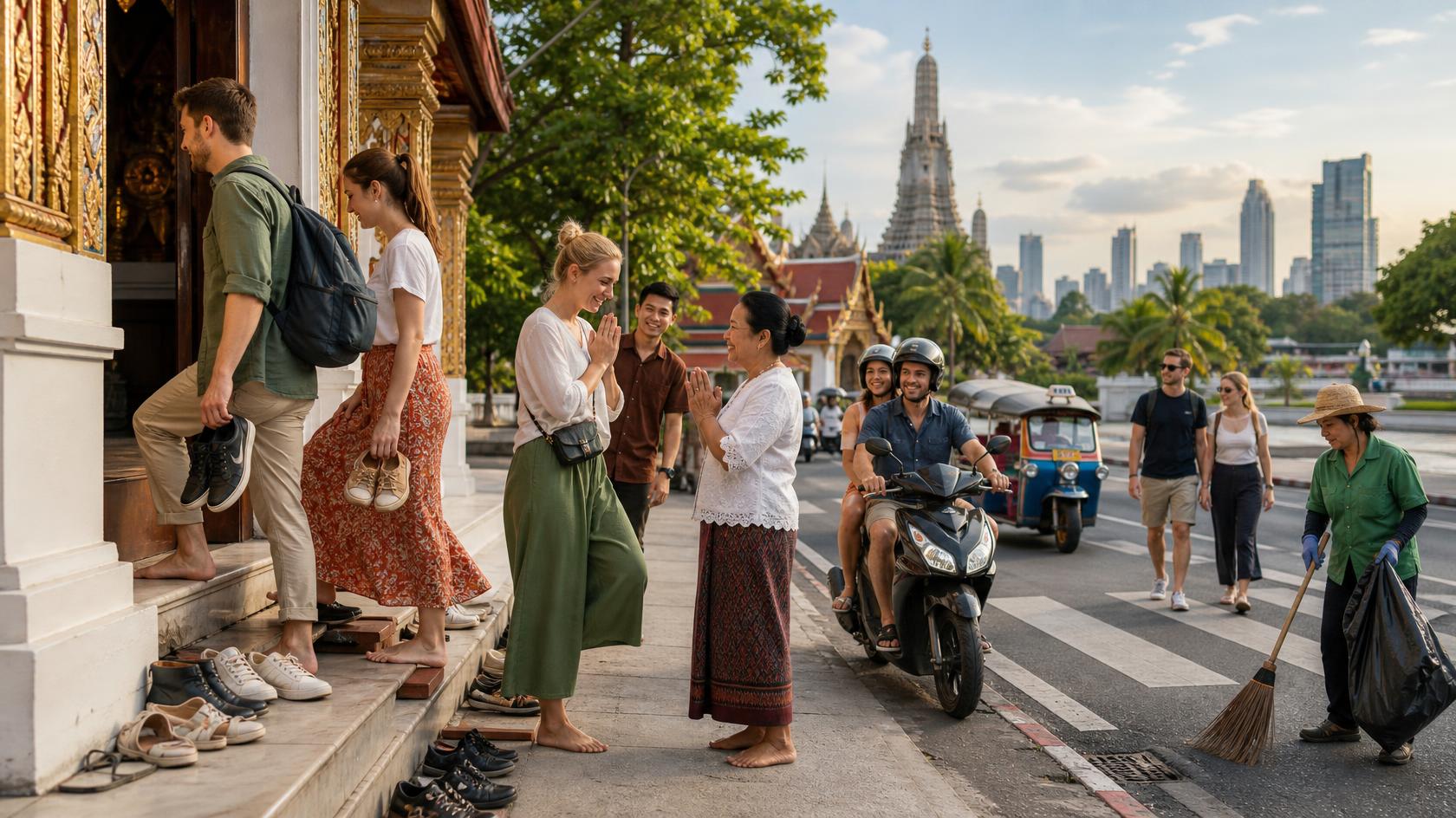
Many problems experienced by expats are not caused by serious criminal activity. They often result from relatively small mistakes: missing a 90-day report, working without the correct authorization, overstaying a visa, driving without the proper licence, failing to understand Thai tax obligations, bringing prohibited items into the country, or assuming that something legal in another country is automatically legal in Thailand.
Thailand has its own immigration, employment, tax, traffic, criminal, business, customs and public-order laws. Being unfamiliar with Thai law is not a reliable defence if you violate it.
This guide explains some of the most important Thailand laws and legal obligations that expats, retirees, digital nomads, foreign workers and long-term visitors should understand in 2026.
Important: This article is for general information only and is not legal advice. Immigration status, work authorization, tax liability and other legal matters depend on individual circumstances. Laws and enforcement policies can change. For an important legal matter, confirm the current requirements with the relevant Thai authority or a qualified Thai lawyer.What the drawings hide
1. Immigration Status: Your Visa Does Not Give You Unlimited Rights
One of the biggest misunderstandings among foreigners in Thailand is the difference between a visa, a permission to stay, and a right to work.
They are not the same thing.
A visa generally allows a foreigner to enter Thailand under a particular category. Immigration then determines the period for which the person is permitted to remain in the Kingdom.
Your passport stamp showing the "permitted until" date is extremely important.
Never overstay
A foreigner should never assume that an expired visa automatically means they can simply remain in Thailand.
Overstaying can result in fines and, depending on the circumstances, much more serious immigration consequences.
Before your permitted stay expires, determine whether you need to:
Leave Thailand
Extend your stay
Change your immigration status
Obtain another appropriate permission
Apply for a re-entry permit if you plan to leave and return while maintaining an existing permission to stay
Do not wait until the last day if your immigration status is complicated.
2. The 90-Day Reporting Requirement
Foreigners who are permitted to stay temporarily in Thailand and remain in the country for more than 90 days generally have to notify Immigration of their residence every 90 days.
This is commonly known as the 90-day report or TM.47 reporting.
The Thai government confirms that the notification can be made through several channels, including in person, through an authorized person, by registered mail and online, subject to the applicable procedures.
Important: 90-day reporting is not a visa extension
This is one of the most important points for new expats.
A 90-day report simply confirms your continuing residence information.
It does not extend your visa or permission to stay.
For example, if your permission to stay expires on September 15, filing a 90-day report does not give you permission to remain until December.
What happens if you miss it?
Thai government information states that failure to make the required notification, or making it late, can result in a 2,000-baht fine, with a higher fine applicable in certain circumstances if the foreigner is arrested.
Does leaving Thailand reset the 90 days?
Yes. When a foreigner leaves Thailand and subsequently returns, the 90-day counting period starts again from the latest entry, subject to the applicable rules.
3. TM30: Your Residence Must Be Properly Reported
Another important immigration requirement is TM30 residence notification.
Under Section 38 of the Immigration Act, the owner, house master, landlord or hotel manager accommodating a foreigner is responsible for notifying Immigration of the foreigner's residence within the prescribed period, generally 24 hours after arrival at the residence.
This can become particularly relevant when foreigners:
Rent a condominium
Move to a new apartment
Stay in a private house
Stay with friends
Move between properties
Stay in accommodation outside a hotel
Although the legal reporting responsibility generally falls on the property owner or possessor, foreigners should confirm that their residence has been correctly reported.
Keep evidence of your TM30 registration when possible.
An incorrect or outdated residence record can create unnecessary complications during immigration transactions.
4. Leaving Thailand: Check Whether You Need a Re-Entry Permit
Foreigners holding certain Thai visas or extensions of stay should understand the difference between:
Visa validity and permission to stay.
If you leave Thailand while holding a permission to stay that you want to preserve, you may need a re-entry permit before departure.
Without the appropriate re-entry permission, leaving Thailand can affect the existing permission to stay.
There are exceptions for certain visa categories and immigration statuses, so do not assume that every foreigner needs a re-entry permit.
Before travelling internationally, check:
What visa you hold
What permission to stay you currently have
Whether you have multiple-entry status
Whether a re-entry permit is required
The date your permission to stay expires
5. Working in Thailand Without Authorization Can Be a Serious Problem
Thailand regulates employment by foreigners.
The basic principle is simple:
Do not perform work in Thailand unless you are legally authorized to do that work.
The Board of Investment explains that the Foreign Working Act requires foreigners working in Thailand to obtain a work permit before starting work, subject to statutory exemptions.
This means having a Thai visa does not automatically give you permission to work.
For example, simply having:
A tourist visa
Visa exemption
Retirement status
A spouse visa
A long-stay visa
does not automatically mean you can take employment.
The correct work authorization depends on the person's immigration status, employer, occupation and circumstances.
Digital nomads should be careful
Working remotely from Thailand can raise complicated questions depending on:
Who employs you
Where the employer is located
What services you provide
Whether you have Thai clients
Whether you receive income in Thailand
Your visa or immigration category
Your tax residence
Whether your activities constitute work under applicable Thai rules
Do not rely on social media comments saying:
"Everyone works online in Thailand, so it must be legal."
Immigration, employment and tax questions should be considered separately.
6. Do Not Assume You Can Start a Business Because You Are an Expat
Foreigners who want to operate a business in Thailand need to consider more than simply registering a company.
Thai business laws can restrict foreign participation in particular activities.
The Foreign Business Act regulates various businesses involving foreigners, including activities categorized under different statutory lists and subject to different restrictions and permission requirements.
Thailand's Department of Business Development maintains systems and information concerning foreign business operations and permissions.
Be particularly careful with nominee shareholders
One common misconception is:
"I will simply put Thai people on paper as shareholders while I actually own and control everything."
Using nominee arrangements to circumvent foreign ownership restrictions can create serious legal problems.
A proper company structure should reflect genuine ownership, investment and control arrangements.
If you want to establish a Thai company, obtain professional advice before transferring money, signing contracts or beginning business operations.
7. Thailand Tax Rules Can Apply to Foreigners
Living in Thailand can create Thai tax obligations even if you are not a Thai citizen.
Thai tax residence is not determined simply by nationality.
The Revenue Department states that an individual who stays in Thailand for more than 180 days in a tax year is considered a Thai tax resident under its personal income tax framework.
Thai tax treatment can depend on:
Where income originates
Whether you are a Thai tax resident
When income is earned
Whether foreign income is brought into Thailand
Double-taxation agreements
The type of income
Your personal circumstances
Foreign income requires particular attention
Expats receiving:
Overseas salary
Pension
Investment income
Dividends
Rental income
Business income
Capital gains
Freelance income
should not automatically assume that foreign income is irrelevant to Thai tax.
The Revenue Department states that Thai tax residents are subject to tax on Thai-source income and, subject to the applicable rules, foreign-source income brought into Thailand.
Tax rules are complicated and have changed significantly in recent years.
If you have substantial overseas income, consult a Thai tax professional rather than relying on an internet interpretation.
8. Driving in Thailand: Your Foreign Licence May Not Be Enough
Driving is one of the most common areas where expats get into trouble.
Thailand has strict traffic laws covering:
Driving licences
Speed limits
Seat belts
Motorcycle helmets
Mobile-phone use
Traffic lights
Wrong-way driving
Drink driving
Vehicle registration
Insurance
Parking
Passenger safety
Thai police have announced increased enforcement of traffic laws in 2026, including offences such as speeding, driving without a licence, failing to wear seat belts or helmets, drink driving and using mobile phones while driving.
Motorcycle helmets are mandatory
Both motorcycle riders and passengers are required to wear helmets under Thai traffic law.
Thai police have specifically emphasized nationwide enforcement of the helmet requirement.
Do not assume that because locals sometimes ignore a rule, the rule does not apply to you.
9. Never Drink and Drive
Thailand has strict drink-driving laws.
Thai police reported in 2026 that enforcement against drink driving is being conducted seriously, with penalties that can include imprisonment, fines and suspension or revocation of a driving licence.
For foreigners, the safest rule is extremely simple:
If you drink, don't drive.
Do not assume that:
You only had one drink
You feel normal
You are driving a short distance
It is late at night
You can pay a small roadside fine
means that you are safe from legal consequences.
10. Vaping and E-Cigarettes Are Illegal
This is particularly important for tourists and expats because vaping may be legal or widely accepted in other countries.
Thailand has prohibited the importation of electronic cigarettes, and Thai government information also addresses restrictions relating to sale, possession and related activities.
Thai Customs has continued enforcement activity concerning cigarettes and e-cigarettes in 2026.
Do not bring a vape into Thailand
Do not assume that:
"It is only for personal use."
or:
"The device is legal in my country."
Thai law applies while you are in Thailand.
The safest approach is not to bring, buy, sell or use prohibited vaping products in Thailand.
11. Cannabis Laws Changed — Do Not Rely on Old Information
Thailand's cannabis rules have changed substantially.
A common misconception is:
"Cannabis is legal everywhere in Thailand."
That is not a safe assumption.
Thailand's government reported that, from 23 June 2025, cannabis flower became subject to stricter controls and that unauthorized use, possession and purchase are illegal. Tourists are specifically warned not to use, buy, carry or transport cannabis flower without the required Thai prescription and applicable conditions.
Therefore, expats should not rely on:
Old YouTube videos
Old travel blogs
Old Reddit posts
Old TikTok videos
What was permitted several years ago
Always check the current rules.
12. Be Extremely Careful With Drugs and Prescription Medication
Thailand has strict narcotics laws.
Foreigners should never assume that a drug or medication that is legal or available without restriction in another country is automatically legal in Thailand.
Thai FDA guidance warns that some narcotic and psychotropic medicines require specific documentation or permits, while other substances are prohibited from being brought into or taken out of Thailand.
Before travelling with prescription medication, especially medication containing controlled substances:
Check the Thai FDA requirements.
Check whether a permit is required.
Carry the prescription or medical certificate.
Keep medication in its original packaging.
Do not carry medication for someone else.
Do not assume a foreign prescription automatically authorizes importation.
This is one area where checking before flying is far safer than asking questions at the airport.
13. Be Careful About What You Post Online
Thailand's criminal and civil laws can apply to statements made online.
Social media posts, videos, comments, reviews and messages can potentially create legal problems depending on their content.
Potentially relevant areas include:
Defamation
Computer-related offences
Threats
Harassment
Fraud
Copyright infringement
Privacy violations
Content involving national security or other protected interests
Do not assume online comments are harmless
Avoid posting accusations about a person or company unless you understand the legal consequences.
For example, saying:
"This company is a scam."
can have very different legal implications from saying:
"I had this experience with the company."
If you have a serious complaint, document the facts and seek appropriate legal advice before making potentially defamatory allegations publicly.
14. Respect Thailand's Laws Concerning the Monarchy and National Institutions
Thailand has specific laws concerning the monarchy and certain protected institutions.
Foreigners should understand that freedom of expression in Thailand operates within the framework of Thai law.
Do not assume that something legally permissible in your home country is necessarily legally permissible in Thailand.
This is particularly important when posting political or controversial material online.
If you are unfamiliar with Thailand's criminal law concerning these matters, do not make provocative public statements without understanding the potential consequences.
15. Gambling Is Not Generally Legal Simply Because It Is Common Online
Another mistake some foreigners make is assuming that online gambling is legal because they can access a website or application.
Accessibility does not equal legality.
Thailand has strict gambling laws, and foreigners should not assume that:
Online casinos
Sports betting
Poker websites
Gambling apps
Foreign gambling platforms
are automatically lawful simply because they operate online or are accessible from Thailand.
Before participating in gambling activities, check the applicable Thai law.
16. Property Ownership: Buying a Condo Is Not the Same as Buying Land
Foreigners can own certain types of property in Thailand, but property ownership is subject to specific legal restrictions.
One of the most important distinctions is between:
Condominium ownership and land ownership.
Foreign ownership of condominium units is subject to statutory requirements and foreign ownership limits within a condominium project.
Land ownership by foreigners is much more restricted and involves specific legal exceptions and conditions.
Be careful with "easy" property structures
Be cautious if someone tells you:
"Just create a Thai company and put the land in the company's name."
A company structure should not be created merely as a sham arrangement to circumvent restrictions.
Before purchasing property, verify:
Title deed
Ownership
Encumbrances
Condominium foreign quota
Transfer requirements
Taxes and fees
Source of funds
Company ownership structure, if relevant
For a significant property transaction, use an independent Thai lawyer.
17. Rental Contracts Are Legally Important
Renting a condominium or house may seem simple, but foreigners should read the lease carefully.
Check:
Rental period
Security deposit
Advance rent
Early termination
Renewal
Utility charges
Maintenance responsibilities
Repairs
Furniture and appliances
Pets
Subletting
Noise restrictions
Damage
Deposit return
Notice requirements
Do not rely entirely on verbal promises.
If the landlord promises:
"Don't worry, I'll return the deposit."
make sure the agreement clearly explains the conditions under which the deposit is refundable.
18. Carry Your Passport and Keep Your Immigration Documents Safe
Foreigners should keep their passport and immigration documents secure and accessible when needed.
Important documents can include:
Passport
Visa
Entry stamp
Extension stamp
90-day report receipt
TM30 evidence
Re-entry permit
Work permit
Tax documents
Make secure digital copies of important documents.
Do not give your passport to an unknown person as collateral or leave it with someone unnecessarily.
19. Customs Laws Apply When You Enter Thailand
Thailand Customs regulates goods entering the country.
There are prohibited and restricted goods, and travellers are responsible for complying with applicable customs requirements.
Thai Customs lists prohibited goods including narcotics and provides specific rules for items such as tobacco and alcohol.
For example, Customs currently lists duty-free allowances including up to:
200 cigarettes, or
250 grams of tobacco
1 litre of alcoholic beverage
subject to the applicable rules.
Do not assume that something is permitted simply because it is a normal personal item in your home country.
Pay particular attention to:
Prescription medicines
Supplements
Cannabis products
Vapes
Weapons
Food
Animal products
Plants
Large quantities of alcohol or tobacco
Commercial merchandise
When uncertain, check with Thai Customs or the relevant authority before travelling.
20. Respect Thai Public-Order and Cultural Laws
Thailand is generally welcoming to foreigners, but visitors and residents are expected to respect local laws and customs.
Examples include:
Respecting temples and religious sites
Dressing appropriately where required
Not damaging religious property
Not behaving aggressively in public
Not causing public disturbances
Following alcohol restrictions
Respecting local property
Following photography restrictions where applicable
Remember:
Being a foreigner does not give you a special exemption from Thai law.
21. Don't Assume "Everyone Does It" Means It Is Legal
This may be the most useful rule for an expat.
You may see people:
Riding without helmets
Vaping
Parking illegally
Drinking and driving
Working without proper authorization
Ignoring immigration requirements
Operating businesses informally
Selling restricted products
Breaking traffic rules
That does not mean those activities are legal.
Thailand has millions of residents and visitors, and enforcement can vary by location and circumstance.
The correct question is not:
"Do other people do this?"
The correct question is:
"Is this legal, and am I authorized to do it?"
22. Keep a Personal Thailand Compliance Calendar
Expats who stay in Thailand long term should maintain their own compliance calendar.
Record:
Immigration
Passport expiry
Visa expiry
Permission-to-stay expiry
90-day reporting date
Extension date
Re-entry permit status
Employment
Work permit expiry
Employer changes
Job position changes
Work authorization requirements
Tax
Tax year
Income records
Overseas income
Tax filing deadlines
Tax payments
Tax identification number
Residence
Current address
TM30 status
Lease expiry
Property owner's contact details
Travel
International travel dates
Re-entry requirements
Passport validity
Visa requirements for destination countries
A simple calendar can prevent expensive mistakes.
23. What Expats Should Do When They Are Unsure About a Law
Do not rely solely on:
Facebook groups
TikTok
Reddit
YouTube
Friends
Bar staff
Real estate agents
Unlicensed visa agents
Old blog posts
These can be useful for experiences and practical information, but they should not be your final legal authority.
Instead, verify important matters with the appropriate government authority.
For immigration matters, consult the Thai Immigration Bureau.
For tax matters, consult the Thai Revenue Department.
For employment and work-permit matters, consult the relevant Thai labour authorities.
For customs matters, consult Thai Customs.
For serious legal disputes, consult a qualified Thai lawyer.
24. A Simple Legal-Safety Rule for Expats
Before doing something that could have legal consequences, ask yourself five questions:
Am I legally allowed to do this?
Don't assume.
Does my visa allow this?
A visa category may limit what you can do.
Do I need a separate permit or licence?
This is particularly important for work, business, driving and regulated activities.
Does Thai law treat this differently from my home country?
Thailand may regulate something differently.
Is the information I am relying on current?
Rules can change.
If the answer to any of these questions is unclear, stop and verify before proceeding.
Thailand Expat Legal Checklist for 2026
Before settling in Thailand, make sure you understand:
Your visa category
Your permitted stay date
Whether you need 90-day reporting
Your TM30 residence status
Whether you need a re-entry permit
Whether you are legally permitted to work
Whether your employment requires a work permit
Your Thai tax position
Whether you may have foreign-income tax obligations
Thai driving-licence requirements
Motorcycle helmet requirements
Drink-driving laws
E-cigarette and vaping restrictions
Current cannabis regulations
Rules concerning prescription medicines
Customs restrictions
Property ownership restrictions
Business ownership restrictions
Online speech and defamation laws
Gambling restrictions
Local laws and regulations affecting your residence
Final Thoughts: Know the Rules Before You Need Them
Thailand can be an excellent country for foreigners to live, work, retire, invest and travel.
But long-term life in Thailand becomes much easier when you understand that immigration, employment, tax, residence and criminal laws are separate areas of responsibility.
The biggest mistake an expat can make is waiting until there is a problem before learning the rules.
A missed immigration deadline, unauthorized employment, prohibited item, traffic offence or tax mistake can become considerably more expensive and complicated after the fact.
The best approach is simple:
Know the law. Keep your documents organized. Track your deadlines. Use the correct visa and permits. Respect local regulations. And verify important information with official Thai authorities before acting.
Thailand welcomes millions of foreigners every year. The easiest way to enjoy your time here is to make sure your stay is legal, documented and compliant from the beginning.
Official Sources for Checking Thailand Laws
For important legal matters, always check the latest information from the relevant Thai government authority:
Immigration Bureau – immigration, extensions, 90-day reporting and residence matters
Thai Revenue Department – personal and corporate taxation
Department of Business Development (DBD) – company registration and foreign business matters
Department of Employment / Ministry of Labour – work permits and employment
Thai Customs Department – prohibited and restricted goods
Thai FDA – controlled medicines and health products
Royal Thai Police – criminal and traffic-law enforcement
Thailand.go.th – government information for foreigners and visitors
This article was prepared as a general 2026 expat information guide. Laws, regulations, administrative procedures and enforcement policies can change. Always verify the current rule before taking action.