Songkran - water festival of Thailand
Songkran Festival is Thailand's most famous traditional celebration and one of the world's most exciting festivals. Held every April, Songkran marks the traditional Thai New Year and combines ancient Buddhist traditions, family gatherings, temple visits, merit-making, cultural ceremonies and the famous nationwide water celebrations.
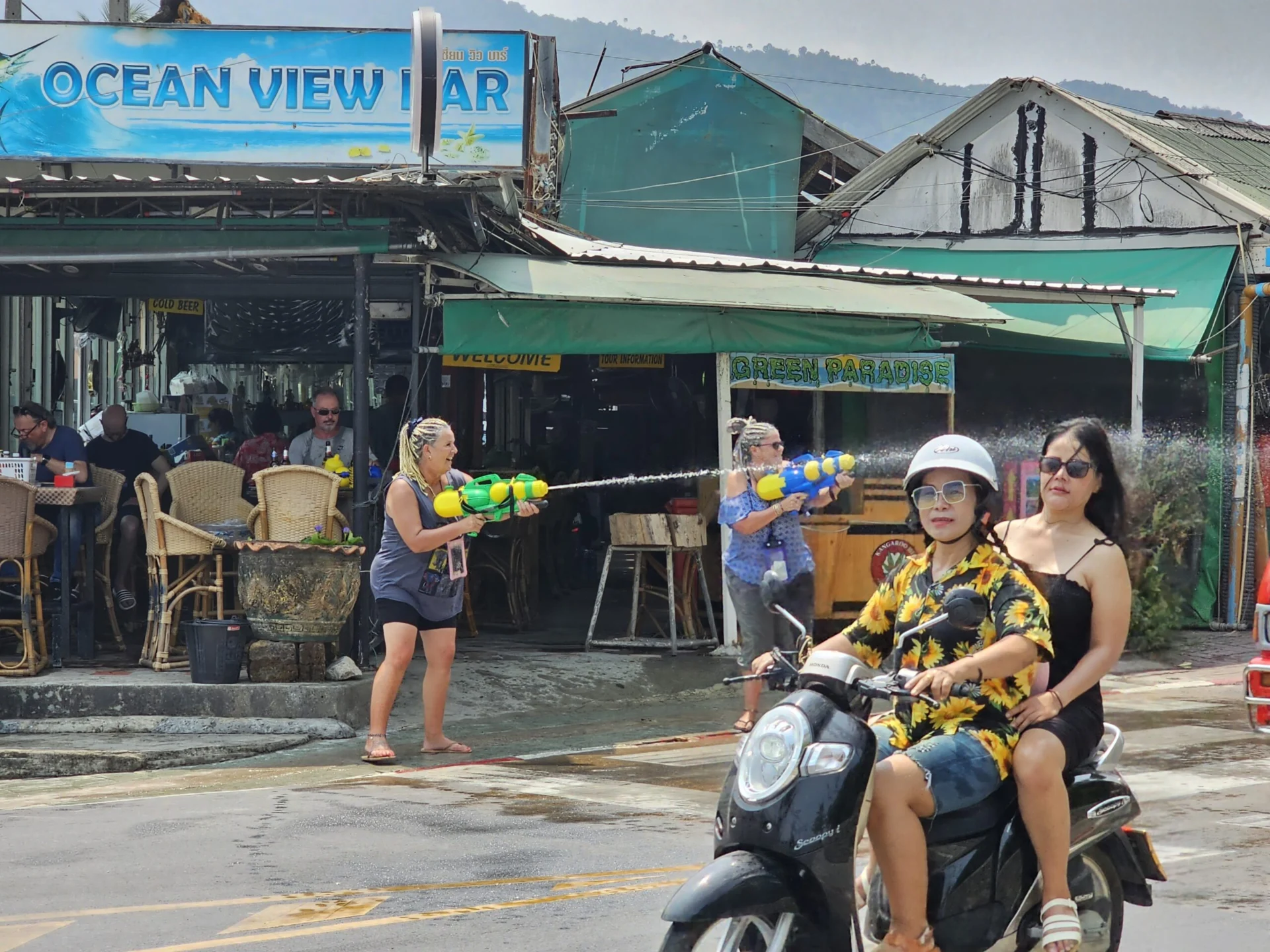
For several days, streets across Thailand transform into enormous outdoor celebrations where locals and visitors splash water on one another, enjoy music and street food, and celebrate the arrival of the new year.
But Songkran is much more than a giant water fight.
Behind the water is a deeply rooted Thai tradition involving respect for elders, cleansing, renewal, family and Buddhist merit-making. In 2023, UNESCO inscribed Songkran in Thailand, Traditional Thai New Year Festival on the Representative List of the Intangible Cultural Heritage of Humanity.
Whether you are visiting Bangkok, Chiang Mai, Pattaya, Phuket or another part of Thailand, Songkran can be an unforgettable travel experience.
What Is Songkran?
Songkran is the traditional Thai New Year celebration.
The word Songkran comes from a Sanskrit term associated with movement or transition, referring to the sun's movement into a new zodiac position.
Traditionally, Songkran represents:
A new beginning
Cleansing and purification
Family reunions
Respect for elders
Buddhist merit-making
Washing away misfortune from the previous year
Welcoming good fortune for the coming year
Today, the festival combines these traditional practices with enormous public celebrations involving water, music and entertainment.
When Is Songkran Celebrated?
Songkran is celebrated in April, traditionally around 13–15 April.
The best-known traditional dates are:
13 April — Songkran Day
The beginning of the traditional New Year celebration.
14 April — Wan Nao
A day traditionally associated with preparation, family activities and making offerings.
15 April — Thai New Year's Day
A day associated with blessings, merit-making and starting the new year.
However, public celebrations can extend beyond these dates depending on the location.
Some tourist destinations hold water parties and events for several additional days.
Important: Exact public-holiday arrangements and local event schedules can vary from year to year, so travellers should check the official announcements for the year they plan to visit.
Why Do Thai People Throw Water During Songkran?
The famous water celebration has traditional origins.
Water symbolizes cleansing and purification.
Traditionally, people gently pour scented water over Buddha images and the hands of respected elders as a gesture of respect and blessing.
Over time, this developed into the much more energetic water celebrations that tourists see today.
Modern Songkran can involve:
Water guns
Buckets
Hoses
Water containers
Music
Street parties
Dancing
Parades
Although the modern celebration can become extremely energetic, the underlying meaning remains connected to renewal and purification.
The Religious Meaning of Songkran
Songkran has strong connections with Buddhism and Thai cultural traditions.
During the festival, many Thai people visit temples to:
Make merit
Pray
Offer food to monks
Participate in ceremonies
Clean Buddha images
Listen to Buddhist teachings
Seek blessings
For many Thai families, visiting a temple is more important than participating in the large street water parties.
This is one of the most important things tourists should understand about Songkran.
Songkran is not simply a water festival.
The water celebrations are only one part of a much deeper cultural tradition.
Washing Buddha Images
One traditional Songkran activity involves gently pouring water over Buddha images.
The water may be scented with flowers or natural fragrances.
This symbolic act represents purification and respect.
Tourists visiting temples during Songkran may see people participating in these ceremonies.
Visitors should observe what local people are doing and follow the temple's instructions rather than treating the ceremony as a photo opportunity.
Respecting Elders During Songkran
Another important Songkran tradition is Rod Nam Dam Hua.
Younger family members traditionally pour scented water over the hands of older relatives and ask for their blessings.
This expresses:
Respect
Gratitude
Family unity
Good wishes
Intergenerational connection
Elders may give blessings and advice to younger family members.
This family tradition is one of the most meaningful aspects of Songkran.
Songkran and Family
Songkran is traditionally a time when Thai people return to their hometowns to spend time with family.
For many people, the festival represents:
Family + Home + Tradition + Renewal
This means transportation can become extremely busy around the festival period.
Flights, trains, buses and highways can experience significant demand.
If you plan to travel during Songkran, booking accommodation and transportation early is strongly recommended.
Songkran Water Festival
The modern water festival is what has made Songkran famous around the world.
In major tourist destinations, entire streets can become giant water-play zones.
People may carry:
Water guns
Buckets
Plastic containers
Small water containers
Hoses
Music and entertainment are often added to the celebrations.
Visitors can expect to get wet.
Very wet.
If you walk through a major Songkran celebration carrying a phone or camera without protection, there is a good chance it will get soaked.
Songkran in Bangkok
Bangkok is one of the most popular places to experience Songkran.
The city offers everything from traditional temple ceremonies to enormous street celebrations.
Popular areas can include:
Khao San Road
Silom
Central Bangkok
Major shopping and entertainment districts
Various temples and local communities
However, the exact locations and official event arrangements can change each year.
Khao San Road
Khao San Road is internationally famous for its energetic Songkran atmosphere.
Expect:
Large crowds
Water fights
Music
Street food
Bars and restaurants
Dancing
Water guns
If you want a high-energy tourist-oriented Songkran experience, Khao San Road can be exciting.
If you want a quieter cultural experience, consider visiting a temple or local community instead.
Songkran in Silom
Silom has traditionally been another major Bangkok Songkran destination.
The area can become extremely crowded during the festival.
Silom is particularly interesting because it combines Bangkok's modern business district with a huge street celebration.
If you are staying in central Bangkok, the BTS Skytrain can be useful for getting around because road traffic may become extremely congested.
Songkran in Chiang Mai
Chiang Mai is one of Thailand's most famous Songkran destinations.
The city's traditional Lanna culture adds a distinctive character to the festival.
The area around the Old City moat can become a major centre of water celebrations.
Visitors can experience:
Water fights
Temple ceremonies
Traditional processions
Cultural performances
Family activities
Food markets
Chiang Mai is particularly attractive for travellers who want to combine Songkran with Thailand's northern cultural heritage.
Songkran in Pattaya
Pattaya is famous for having one of the country's longest and most energetic Songkran celebrations.
The city attracts large numbers of Thai and international visitors.
Water celebrations can continue beyond the traditional 13–15 April period, with Wan Lai celebrations taking place in Pattaya and nearby communities.
Pattaya is an excellent choice for visitors who want a particularly lively festival atmosphere.
However, travellers should expect:
Heavy traffic
Large crowds
Wet streets
Water fights
Loud music
Temporary road restrictions
Songkran in Phuket
Phuket offers a combination of beach tourism and Songkran celebrations.
Popular tourist areas can become busy with water activities and street celebrations.
Places around Patong can be particularly energetic.
Visitors can combine Songkran with:
Beaches
Island tours
Night markets
Restaurants
Nightlife
Water activities
However, transport and accommodation can become more expensive during the holiday period.
Songkran in Ayutthaya
For travellers interested in culture and history, Ayutthaya can provide a different Songkran experience.
The ancient capital is known for its historic temples and ruins.
Songkran events in Ayutthaya can incorporate traditional cultural activities alongside the festival atmosphere.
This can be an excellent option if you want to experience Songkran while also exploring one of Thailand's most important historical destinations.
Traditional Songkran Activities
Songkran celebrations can include many traditional activities.
Making Merit
People visit temples and make offerings to monks.
Cleaning Homes
Cleaning the home symbolizes removing bad things from the previous year.
Bathing Buddha Images
Water is gently poured over Buddha images as a purification ritual.
Respecting Elders
Younger family members pour scented water over elders' hands and receive blessings.
Building Sand Pagodas
Some communities traditionally create small sand stupas or pagodas at temples.
Releasing Animals
Some traditional practices involve releasing fish or birds as an act associated with merit-making.
Traditional Games
Local communities may organize cultural games and performances.
Songkran Food
Food is an important part of Songkran celebrations.
Families often gather for meals and prepare traditional Thai dishes.
Popular Thai foods you may encounter include:
Pad Thai
Som Tam
Mango sticky rice
Grilled chicken
Thai curries
Tom Yum
Thai noodles
Fresh fruit
Coconut desserts
Thai street food
During Songkran, street food stalls can become particularly busy in major celebration areas.
What Should Tourists Wear During Songkran?
Wear clothes that you don't mind getting completely wet.
Good choices include:
Quick-drying shirts
Shorts or lightweight trousers
Sandals
Waterproof footwear
Swimwear underneath appropriate clothing
Avoid expensive clothing.
You should also remember that some places, particularly temples, require conservative dress.
Don't assume that because it is Songkran you can enter temples wearing beachwear.
Protect Your Phone During Songkran
This is one of the most important practical tips.
Your smartphone can easily be damaged by water.
Use:
Waterproof phone pouch
Waterproof bag
Zip-lock bags
Waterproof backpack
Avoid carrying:
Passport
Large amounts of cash
Expensive electronics
Important documents
unless they are properly protected.
Protect Your Passport
If you are a foreign visitor, your passport is one of your most important documents.
Do not carry it through a major water fight unless absolutely necessary.
Keep it securely stored and carry a waterproof copy or another acceptable form of identification when appropriate.
Can You Refuse to Participate in the Water Fight?
Yes.
You don't have to participate.
If you want to experience the cultural side of Songkran without getting soaked, visit:
Temples
Cultural events
Family celebrations
Traditional ceremonies
Museums
Local communities
However, if you walk through a major public water-fight area, you should expect people to throw water.
Is Songkran Safe?
Songkran is generally a fun and welcoming festival, but tourists should take extra precautions.
The combination of:
water + crowds + traffic + alcohol + motorcycles
can create additional risks.
Important safety tips
Don't drink and drive.
Be careful around motorcycles.
Keep valuables protected.
Don't carry large amounts of cash.
Stay hydrated.
Use sunscreen.
Be careful on wet roads.
Watch your belongings in crowded areas.
Follow police and event-organizer instructions.
Songkran and Road Safety
Road safety is particularly important during the Songkran period.
Thailand experiences extremely high travel volumes during the holiday, and roads can become congested.
If you are renting a motorcycle:
Be especially careful.
Wet roads, crowds and people suddenly entering the roadway can create dangerous conditions.
If you are not an experienced motorcycle rider, Songkran is not the ideal time to learn.
Songkran for Families
Songkran can be an excellent family experience.
Children can enjoy:
Water activities
Traditional games
Temple visits
Cultural performances
Thai food
Family gatherings
Parents should select their location carefully.
A large street party may be unsuitable for very young children because of:
Crowds
Loud music
Traffic
Water pressure
Slippery roads
A temple or family-oriented local celebration may be more appropriate.
Songkran for Couples
Couples can experience Songkran in several ways.
You can choose between:
Traditional experience
Temple visits + cultural activities + Thai food
Adventure experience
Water fights + street parties + nightlife
Relaxed experience
Resort + cultural event + sightseeing
The choice depends on your travel style.
Songkran for Solo Travellers
Solo travellers can easily meet people during Songkran.
Major tourist areas are particularly social during the festival.
Hostels, hotels, bars and public celebrations can provide opportunities to meet other travellers.
However, keep your belongings secure because crowded environments can increase the risk of losing valuables.
What to Bring to Songkran
A good Songkran day bag should contain:
Waterproof phone pouch
Small amount of cash
Waterproof ID copy
Sunscreen
Sunglasses
Towel
Change of clothes
Water
Portable charger in a waterproof bag
Keep everything as lightweight as possible.
What NOT to Bring
Avoid carrying:
Passport
Laptop
Expensive camera
Expensive jewellery
Large wallet
Important documents
Expensive electronics
unless absolutely necessary and properly protected.
Songkran and Alcohol
Alcohol is common around some modern Songkran celebrations, particularly in tourist areas.
However, visitors should drink responsibly.
Never drive after drinking.
Also remember that Songkran is fundamentally a cultural and religious celebration, so drinking and partying should not overshadow respect for Thai traditions.
Why Songkran Is Important to Thailand
Songkran represents much more than tourism.
It is a celebration of:
Family
Respect
Renewal
Buddhism
Community
Thai identity
New beginnings
The water fights are the most visible part of the festival to international visitors, but the cultural traditions behind them are what make Songkran unique.
Songkran and UNESCO
One of the most important recent developments in the recognition of Songkran internationally occurred in 2023, when UNESCO inscribed Songkran in Thailand, Traditional Thai New Year Festival on its Representative List of the Intangible Cultural Heritage of Humanity.
UNESCO recognizes the festival's importance as a cultural tradition involving communities, families, religious practices, food, clothing, music and other forms of cultural expression.
This recognition highlights the fact that Songkran is not simply a modern tourist water festival.
It is an important part of Thailand's cultural heritage.
Best Places to Experience Songkran
Destination | Best For |
|---|---|
Bangkok | Large urban celebrations |
Chiang Mai | Traditional northern culture + water festival |
Pattaya | Long and energetic celebrations |
Phuket | Beach holiday + Songkran |
Ayutthaya | History + traditional culture |
Local Thai communities | Authentic family and cultural experience |
How to Plan a Songkran Trip
If you are travelling to Thailand specifically for Songkran, start planning early.
Step 1: Choose your destination
Decide whether you prefer Bangkok, Chiang Mai, Pattaya, Phuket or another destination.
Step 2: Book accommodation
Popular areas can fill quickly.
Step 3: Arrange transportation
Flights, trains and buses can become extremely busy around the holiday.
Step 4: Plan your activities
Decide whether you want:
Water fights
Temple visits
Cultural events
Family-style celebrations
Nightlife
Beach activities
Step 5: Protect your belongings
Buy waterproof phone protection before arriving.
Step 6: Respect local customs
Remember that Songkran is a Thai cultural celebration first and a tourist attraction second.
Frequently Asked Questions About Songkran
When is Songkran in Thailand?
Songkran is traditionally celebrated around 13–15 April, although public celebrations can continue longer depending on the destination.
What does Songkran celebrate?
Songkran celebrates the traditional Thai New Year and symbolizes renewal, cleansing, respect and new beginnings.
Why do people throw water during Songkran?
Water traditionally represents cleansing and purification. The modern water fights evolved from these traditional practices.
Is Songkran only a water festival?
No. Songkran includes temple visits, merit-making, family gatherings, respect for elders, cultural ceremonies and traditional activities.
Where is the best place to celebrate Songkran?
Bangkok, Chiang Mai, Pattaya and Phuket are among the most popular destinations, but each offers a different experience.
Is Songkran suitable for children?
Yes, but families should choose their celebration area carefully because some major street parties can be extremely crowded.
Will I get wet during Songkran?
If you enter a major public water-fight area, almost certainly.
Should I carry my passport during Songkran?
Avoid carrying your original passport through a water-fight area unless necessary. Keep important documents securely protected.
Can tourists participate in Songkran?
Yes. International visitors are welcome to participate, provided they respect Thai customs and local rules.
Is Songkran a religious festival?
Songkran has important Buddhist and traditional cultural elements, although modern public celebrations have also developed into large social events.
Final Thoughts
Songkran is one of the best times to experience Thailand's culture, hospitality and energy.
For visitors, the festival can be an extraordinary combination of ancient traditions and modern celebration.
You can begin the day by visiting a Buddhist temple, observing traditional ceremonies and making merit, and later find yourself walking through a Bangkok, Chiang Mai or Pattaya street covered in water while music plays and thousands of people celebrate.
That combination is what makes Songkran so special.
The most important thing to remember is:
Songkran is not just a water fight. It is Thailand's traditional New Year and a celebration of family, respect, renewal and cultural heritage.
If you approach the festival with that understanding, you are much more likely to have an enjoyable and memorable experience.