Thailand's Best Kite Festivals
If you’ve ever looked up over a Thai beach and seen the sky filled with giant dragons, sharks, and colorful geometric kites, you’ve probably stumbled on a kite festival. Thailand hosts several international kite festivals each year, with the biggest and most famous ones in Pattaya and Phuket, plus smaller local events around the country.
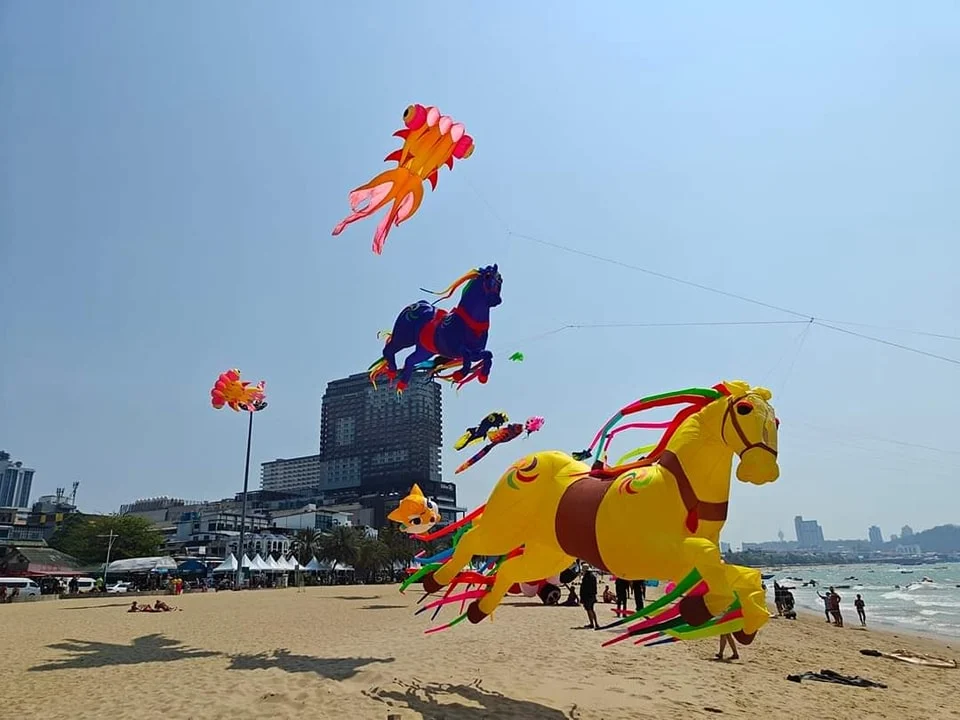
This guide explains when kite season happens in Thailand, the top festivals to attend in 2026, what you’ll see, and practical tips for visiting with family or as a photography lover.
Why Thailand Has Kite Festivals
Kite flying has deep roots in Thai culture. Historically, kites were used for:
Ceremonial and royal purposes – especially during the cool, windy months.
Folk games and competitions – traditional Thai kites like Chula (male) and Pakpao (female) are still flown in contests.
Fishing and signaling in some coastal communities.
Today, modern international kite festivals blend these traditions with contemporary art kites, giant inflatables, and performances by professional flyers from around the world.
The best time for kite flying in most of Thailand is during the dry, windy season from January to April, when steady sea breezes and clear skies create perfect conditions.
Best Time of Year for Kite Festivals in Thailand
For most beach destinations, the peak kite season is:
January to April – strongest and most reliable winds, especially on the Gulf of Thailand and Andaman coasts.
February and March – when most major kite festivals are scheduled to take advantage of consistent winds and good weather.
During these months, you’ll find:
Daily kite flying at major festivals.
Professional shows, synchronized routines, and giant character kites.
Ideal conditions for photos, especially in the early morning and late afternoon.
Outside this window (May–October), the monsoon brings less predictable winds and more rain, so organized kite events are rare.
Major Kite Festivals in Thailand (2026)
1. Pattaya International Kite on the Beach (Pattaya International Kite Festival)
When: Late February to early March
2026 dates: 25 February – 1 March 2026
Where: Pattaya Beach, in front of Central Pattaya Shopping Center, Chonburi.
What to expect
The Pattaya International Kite Festival is one of Thailand’s most visually striking beach events. Each year, it transforms the shoreline into a “Sky Parade of Happiness” with:
Giant kites in shapes like sharks, dragons, octopuses, cartoon characters, and national flags.
International kite teams from Asia, Europe, and beyond performing synchronized displays and stunts.
Thailand’s longest kite parade, where dozens of kites fly in formation along the beach.
Family activities: kite‑making workshops, photo zones, and sometimes “fly your own kite” areas.
Daily schedule (typical):
Kite flying: Approximately 12:00–18:00, depending on wind and weather.
Opening ceremony: Often on the first day around 15:00.
Evening: Some years feature illuminated or night kites, music, and beachside entertainment.
Why visit?
Easy to reach from Bangkok (about 2 hours by car or bus).
Free entry; you just pay for food, drinks, and optional activities.
Great for families, photographers, and anyone who loves colorful skies.
How to get there
From Bangkok:
By car/taxi: ~2 hours via Motorway 7 and Sukhumvit Road.
By bus: From Eastern Bus Terminal (Ekkamai) or Mo Chit to Pattaya; then a short taxi to Central Pattaya.
From within Pattaya:
Walk or take a short songthaew/taxi to Pattaya Beach in front of Central Pattaya.
If you’re planning a Pattaya beach holiday, timing your trip around late February/early March lets you combine sun, sea, and this spectacular sky show.
2. Phuket Kite Festival (Karon Beach)
When: March (typically over several weekends)
2026 timing: March 2026, with peak activity on weekends such as 14–15, 21–22, and 28–29 March.
Where: Karon Beach, Phuket (Andaman Coast).
What to expect
Phuket’s Kite Festival is a newer but rapidly growing event that turns Karon Beach into a large open‑air kite gallery. Highlights include:
International and local kite flyers showcasing traditional Thai kites and modern designs.
Giant inflatable kites and artistic shapes against the Andaman Sea backdrop.
Cultural performances, local food stalls, and beach activities.
Designated “Fly Your Kite” zones where visitors can try flying their own kites (sometimes with rental equipment).
Best times of day:
Dawn sessions (around 6:00–8:30 AM) and sunset (around 4:30–7:30 PM) offer the best light and wind for dynamic flying and photography.
Midday can be very hot (up to 34°C), so plan shade, water, and breaks.
Why visit?
Combines a world‑class beach holiday with a unique cultural event.
Ideal if you’re already planning a Phuket trip in March and want something beyond beaches and islands.
Less crowded on weekdays, with more intimate views and easier parking.
How to get there
From Phuket Airport: About 45–60 minutes by taxi or Grab to Karon Beach.
From Patong/Kata: 10–20 minutes by taxi or motorbike.
Public songthaews (blue trucks) also run along the west coast; ask for “Karon Beach.”
Accommodation near Karon fills up quickly during the festival weekends, so booking 4–6 weeks in advance is recommended.
3. Other Kite Events & Local Festivals
While Pattaya and Phuket host the biggest international festivals, smaller kite events and traditional competitions can occur in:
Bangkok’s Sanam Luang (often around Thai New Year / Songkran period, though not every year).
Coastal provinces like Rayong, Chonburi, and Hua Hin, especially during local tourism campaigns.
School and community events in the windy season (Jan–Apr).
Dates for these are less fixed and often announced locally, so check regional tourism pages or ask locally if you’re visiting in February–April.
What You’ll See at a Thai Kite Festival
Whether in Pattaya, Phuket, or elsewhere, most Thai kite festivals share similar attractions.
1. Giant Character & Art Kites
Expect to see enormous kites shaped like:
Sea creatures: sharks, whales, octopuses, manta rays.
Animals & dragons: traditional Asian dragons, phoenixes, elephants.
Cartoon characters & pop culture icons.
Abstract and geometric designs with bold colors and long tails.
These kites can be several stories tall and are flown by professional teams using strong lines and multiple handlers.
2. Traditional Thai Kites
Many festivals include a cultural segment featuring:
Chula kites (large, star‑shaped “male” kites).
Pakpao kites (smaller, diamond‑shaped “female” kites).
Kite fighting demonstrations, where teams try to entangle or bring down each other’s kites using skill rather than aggression.
These displays highlight Thailand’s intangible cultural heritage and are often accompanied by explanations in Thai and English.
3. Aerial Performances & Shows
Professional kite teams perform:
Synchronized routines, where multiple kites move in formation.
Stunt flying, including loops, dives, and rapid direction changes.
Night or illuminated kites in some festivals, with LED lights for evening shows.
These performances are usually scheduled at specific times during the day; check the event program on arrival.
4. Family Activities & Workshops
Many festivals offer:
Kite‑making workshops for kids and adults.
“Fly your own kite” zones with rental kites and basic instruction.
Photo zones, face painting, and small games for children.
These activities make kite festivals especially suitable for family travel.
Practical Tips for Visiting a Kite Festival in Thailand
1. When to go during the day
Best light & wind: Early morning (around 6:00–9:00) and late afternoon to sunset (16:00–18:30).
Midday: Often very hot and crowded; use this time for lunch, shade, or indoor breaks.
Check the daily program for performance times so you don’t miss key shows.
2. What to bring
Sun protection: Hat, sunglasses, sunscreen (SPF 50+), and a light long‑sleeve shirt.
Water bottle: Stay hydrated; refill at available stations.
Camera/phone: With extra battery; kite festivals are highly photogenic.
Beach mat or small towel: To sit on the sand while watching.
Cash: For food stalls, drinks, kite rentals, and small activities.
3. Dress code & comfort
Wear light, breathable clothing and comfortable sandals or shoes.
If you plan to walk on hot sand, consider flip‑flops or water shoes.
Bring a change of clothes if you’ll also swim or play in the sea.
4. Photography tips
Use fast shutter speeds to capture moving kites.
Golden hour (early morning and late afternoon) gives the best colors and softer light.
Include people, beach, and sea in your frame to show scale and context.
For giant kites, step back and use a wide‑angle lens or panorama mode.
5. Crowds & safety
Major festivals (especially Pattaya weekends) can draw large crowds and cause local traffic.
Arrive early if you want a good spot on the sand.
Keep an eye on children near kite lines and flying zones; some lines are strong and under tension.
Follow staff instructions, especially in designated flying areas.
6. Combining with other activities
Kite festivals work well as part of a broader beach holiday:
In Pattaya, combine with visits to Asiatique‑style markets, viewpoints, islands (Koh Larn), or family attractions.
In Phuket, pair the festival with island tours, Old Phuket Town, or beach clubs.
Use the festival as a highlight day within a 3–5 day beach stay.
Is a Kite Festival in Thailand Worth Planning a Trip Around?
If you love photography, cultural events, or unique beach experiences, then yes—timing your visit to coincide with a kite festival can be a highlight of your Thailand trip.
Especially worth it if you:
Are traveling with kids and want a free, family‑friendly spectacle.
Enjoy street photography or want dramatic sky and beach images.
Want to experience a different side of Thai culture beyond temples and nightlife.
Even if you don’t plan your entire trip around it, checking the festival calendar for February–March and aligning one or two days can add a memorable, colorful experience to your holiday.