The Roof That Carries a City
Nineteenth-century train sheds solved a span problem we have quietly stopped trying to solve.
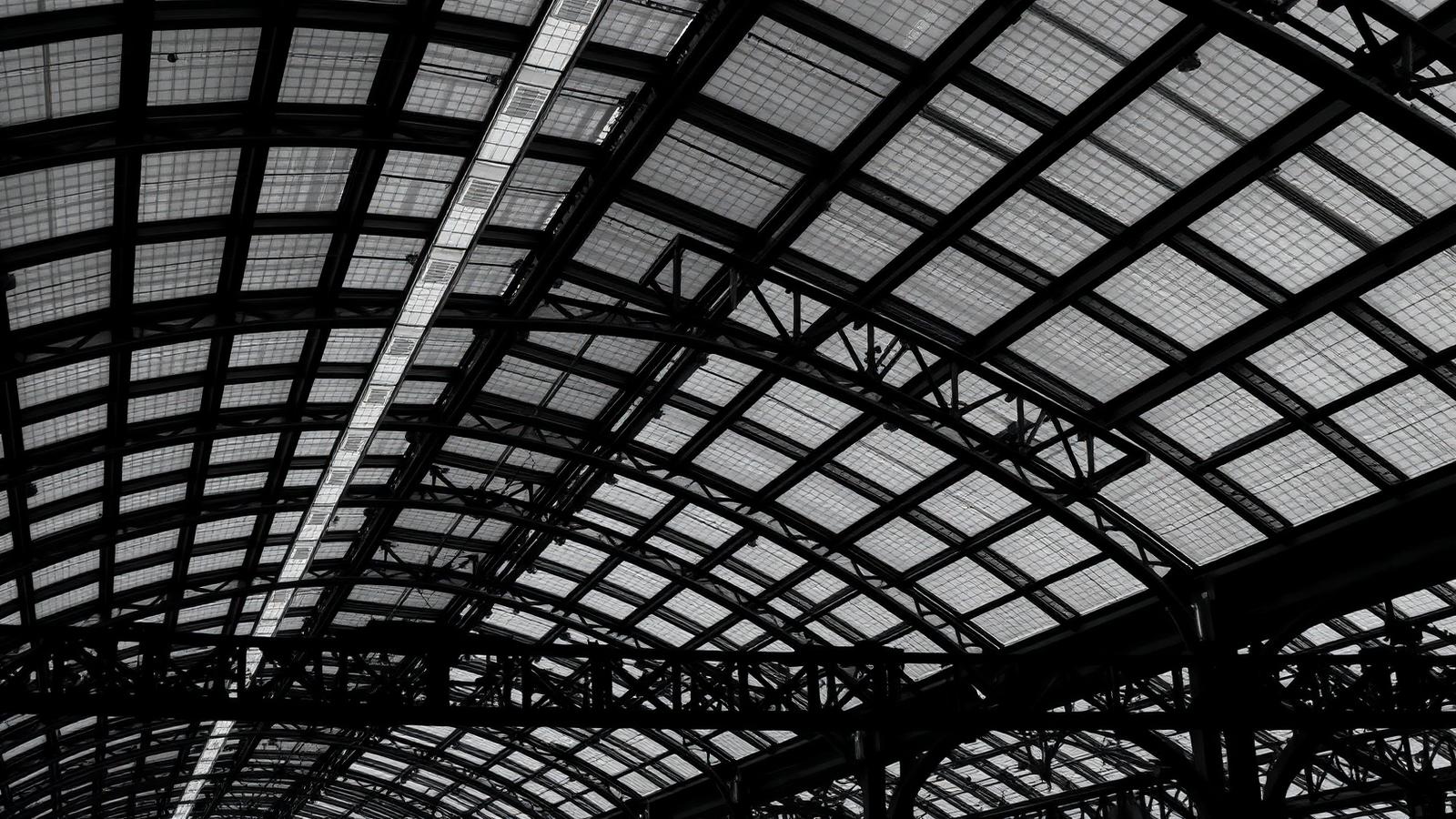
The premise
Every structure is an argument about time. Some buildings argue for permanence; others concede to the season they were built in. The difference is rarely budget — it is conviction, drawn early and defended through a hundred small decisions.
We spent three weeks walking the site at different hours, and the building behaved differently in each of them. At seven in the morning it was a wall. By noon it had become a frame. By dusk, with the interior lights on, it read as a lantern.
Good architecture does not resolve a contradiction. It holds it in tension long enough for you to notice it.
What the drawings hide
Plans flatten the one thing that matters most: the sequence of arrival. You cannot draw the moment a corridor releases you into a double-height room, or the way a threshold slows your step without asking you to stop.
- Material honesty over material novelty.
- Daylight as a structural element, not a finish.
- Circulation designed for the tired, not the curious.
A note on maintenance
The most under-discussed design decision is who will clean it. Surfaces that age well are surfaces someone can reach. Concrete stains; steel weeps; timber greys. The question is never whether a material will change, only whether the change reads as decay or as record.
Thirty years on, the building is still doing exactly what it was asked to do, which is the rarest compliment available in this profession.